
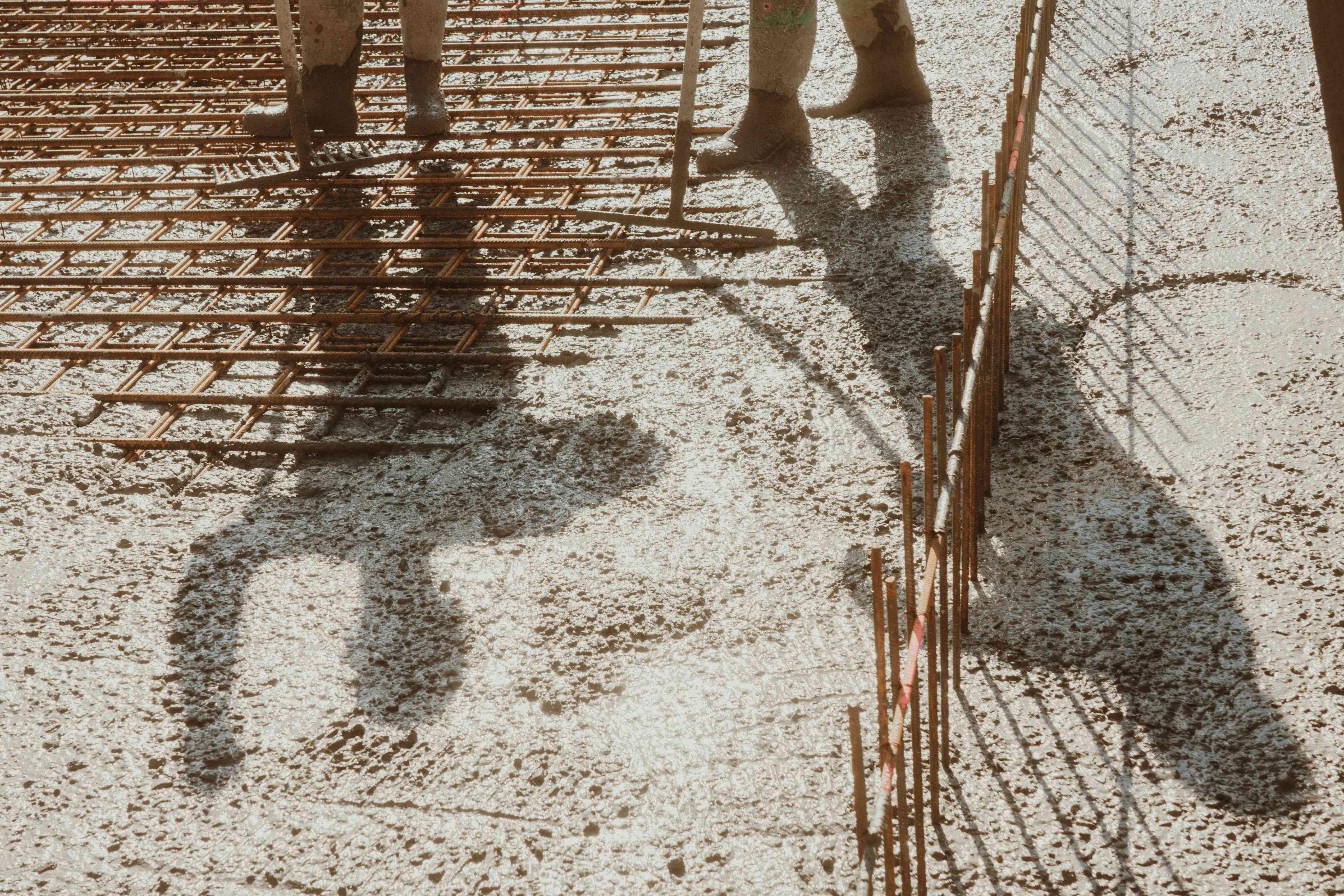
Concrete Patio Cost: What You Can Expect to Pay in 2026
Concrete Patio Cost: What You Can Expect to Pay in 2026
Most people start looking into a concrete patio with a rough number in their head, usually pulled from a quick search, and then get a quote that looks nothing like it. That gap isn't a red flag. It's just how patio pricing actually works once size, finish, and site conditions get factored into the equation.
Let's Start With the Number
A basic concrete patio runs between $6 and $12 per square foot installed. For a typical 200 to 400 square foot patio, that lands somewhere between $1,200 and $4,800. Add a decorative finish, and that number can climb well past double the base price depending on how involved the design gets.
Why Two Patios the Same Size Can Cost Very Different Amounts
Square footage is the easiest number to compare, but it's rarely what actually separates a cheap quote from an expensive one. The real variables are usually hiding underneath the surface, literally.
Excavation and soil compaction take up a surprising chunk of the budget, especially on properties with soft or uneven ground. Reinforcement decisions, whether rebar or wire mesh gets used, add cost but also add years to the slab's life. Finish choice moves the number more than almost anything else. And local permit requirements and labor rates shift the total depending on where you live.
None of this shows up when you're comparing a flat per-square-foot number online, which is exactly why two contractors can quote wildly different totals for what looks like the same job on paper.
The Part Nobody Budgets For: What's Underneath
A patio poured on poorly prepared ground is one of the fastest ways to end up with shoddy concrete pouring that looks fine on day one and starts cracking within a year or two. Patios are actually more vulnerable to this than driveways, since they're often poured on softer soil that hasn't been properly graded or compacted.
A contractor who spends extra time here isn't padding the invoice. They're preventing a callback six months from now.
Shape and Formwork: Where Simple Gets Complicated
A basic rectangle keeps forming straightforward and cheap. The moment you introduce curves, multiple levels, or a built-in fire pit base, concrete formwork gets more involved, labor time goes up, and so does the price. This is one of the more overlooked cost drivers, since most people picture their dream patio shape before they picture what it takes to actually form and pour it.
Concrete, Pavers, and the Long Game
Concrete usually costs more upfront than gravel or basic paver alternatives, similar to the asphalt vs. concrete comparison homeowners run into with driveways. The upfront gap narrows fast once you factor in how much less maintenance a concrete patio needs over the years compared to pavers that shift, settle, or need regular weeding and releveling.
A Quick Word on Cement vs. Concrete Pricing
If you've priced out "cement" for your patio and the number seems suspiciously low, that's probably why. The cement vs. concrete mix-up is one of the most common reasons DIY budgets come in way under what a project actually costs.
How Long This Should Actually Last You
Installed correctly, a concrete patio isn't something you'll be redoing in a decade. Commercial concrete's lifespan routinely runs several decades under heavy daily use, and a residential patio under lighter conditions should hold up even longer, realistically 25 to 30 years before anything major needs attention.
The Enemy Isn't Time, It's Water
If a patio fails early, water is almost always the reason. Concrete's relationship with water damage is well known in the industry, and it matters even more for a patio sitting exposed to rain, snow melt, and freeze-thaw cycles year-round with no roof overhead.
Getting the slope right during installation, so water runs away from the house instead of pooling against it, does more for long-term cost than almost anything else on this list. Poor drainage planning is behind a lot of the early cracking and heaving homeowners deal with just a few years in.
Don't Let Small Cracks Turn Into Big Bills
A hairline crack today is a structural problem in two winters if it's ignored. Water gets in, freeze-thaw cycles pry it wider, and the fix gets more expensive every season you wait. Crack repair done early is one of the cheapest maintenance decisions you'll ever make on a concrete patio.
Picking a Finish: The Biggest Price Lever You Control
Finish choice swings the price more than almost any other decision you'll make.
A broom finish keeps things simple and affordable. Exposed aggregate adds texture for a moderate step up in cost. Stamped concrete, made to mimic stone or brick, costs meaningfully more but delivers a high-end look. Stained or colored concrete lands anywhere in between depending on how intricate the design gets.
It's the same trade-off businesses run into with concrete parking lots: pay more upfront, spend less over the years that follow.
Keeping the Long-Term Bill Small
A patio's real cost isn't just what you pay to have it poured. Sealing every few years, catching cracks early, and keeping water moving away from the slab are what keep a patio from turning into an expensive redo. The same approach used to reduce maintenance costs on a commercial lot applies just as well to a backyard patio.
Common Questions About Concrete Patio Cost
What's a fair price for a concrete patio?
Most basic patios land between $6 and $12 per square foot installed. Decorative finishes push that higher depending on how involved the design is.
Is stamped concrete really worth the extra money?
For a lot of homeowners, yes. It gives you the look of stone or pavers without the ongoing maintenance those materials require, even though the upfront cost is noticeably higher.
How long before I can actually use a new patio?
The pour and finishing usually take one to three days, but plan on roughly a week of curing before it's ready for regular foot traffic and furniture.
Does a smaller patio cost less per square foot?
Not always. Smaller projects often carry a minimum project fee that can actually push the per-square-foot cost higher than a larger patio would run.
Can I pour my own patio to cut costs?
For a very small, simple layout, maybe. But mistakes in site prep or finishing tend to show up as cracking or unevenness that costs more to fix than hiring it out would have in the first place.
Ready for a Real Number? Talk to KEflatwork
A per-square-foot range is a starting point, not a quote. If you want an actual number based on your yard, your soil, and the finish you have in mind, KEflatwork can put one together for you.
Contact KE Flatwork to get a detailed quote on your concrete patio project.
.jpg)
Ready to Get Your Project Moving?
Commercial concrete services built for performance, reliability, and long-term value. Speak directly with our team to get started.


designed and developed by Treasure Advertising 💚