
The Argument for Concrete: The Better Surface for Your Parking Lot
Your parking lot is more than just a space for customers to leave their cars. It provides several advantages to your brick-and-mortar store, such as improved customer experience (enhanced accessibility) and added business (paid parking).
But frequent use makes your parking lot prone to damage. It also tends to deteriorate faster if you used inappropriate materials to build it.
Most hard surfaces across the country are made with asphalt. But engineers have long debated over the long-term performance of this material. Recently, concrete has become a popular alternative for pavements, parking lots, and other roadwork types. To understand this shift in preference, take a look at asphalt’s shortcomings.
The Problem with Asphalt
Asphalt is prone to distress, making it ineffective in the long run. Aging, traffic, and weather contribute to its decline. Asphalt was initially promoted as a durable and long-lasting material, but research has shown that it can no longer meet modern traffic performance requirements.
Cracking
Asphalt receives different types of cracking, most of which are caused by poor construction techniques. When these cracks are left as they are, they will worsen and cause safety hazards for vehicles and passersby.
- Fatigue Cracking occurs when heavy loads are placed on a surface that has a weak sub-grade. It creates small cracks that eventually grow and interconnect with each other, resulting in larger cracks and breaks in the asphalt.
- Block Cracking occurs when temperature cycles cause the asphalt surface to shrink and expand. These movements result in large rectangular cracks that break off over time, leaving you with holes in your parking lot.
- Edge Cracking happens when the asphalt surface was formed without the appropriate support along its edges. Longitudinal cracks will form at the edge of your parking lot, slowly spreading across the entire surface.
Distortion
When your asphalt surface has weak sub-grade layers or when the material wasn’t mixed properly, your parking lot becomes prone to different types of distortion. Much like cracking, it presents safety hazards by way of tripping and bumps.
- Depressions in your parking lot are caused by poor compaction during the construction process. This type of distortion creates shallow spots that hold water and other debris. It puts your parking lot at risk of water damage which can affect its structural integrity.
- Rutting is caused by a lack of thickness and compaction in the asphalt mixture when it was laid down. This distortion creates linear deformations along the wheel path of vehicles.
- Shoving happens when ripples form across your parking lot. Excess asphalt and aggregate or a weak granular base cause this. It results in the formation of cracks that weaken the parking lot’s surface.
Disintegration
When small pieces of asphalt break off, it’s called disintegration. Several things can cause it, including poor construction techniques, fuel and oil penetration, and frequent heavy traffic.
- Potholes are the most common examples of disintegration. As these worsen, they present a tripping hazard for people and a driving hazard for motorists. They also increase the chances of water damage in your parking lot.
Your parking lot is only valuable when it’s functional. Anything that lessens its functionality does not merit continued usage. By understanding the flaws of asphalt as a paving material, you can find an alternative that improves your parking lot’s usefulness.
The Argument for Concrete
In the past few years, engineers and contractors have started using concrete to pave parking lots and other roadworks. This man-made material uses a combination of rocks, limestone, and water. Its simple formula is just one reason it has become the most commonly used material in the world. Find out why it’s ideal the ideal material for the construction of your parking lot.
Resilient
Concrete is resistant to corrosive factors, including rust and rot. The material is also resistant to natural elements, such as harsh winds, heavy rains, and wildfires. By paving your parking lot with concrete, it can withstand typical wear and tear better.
Versatile
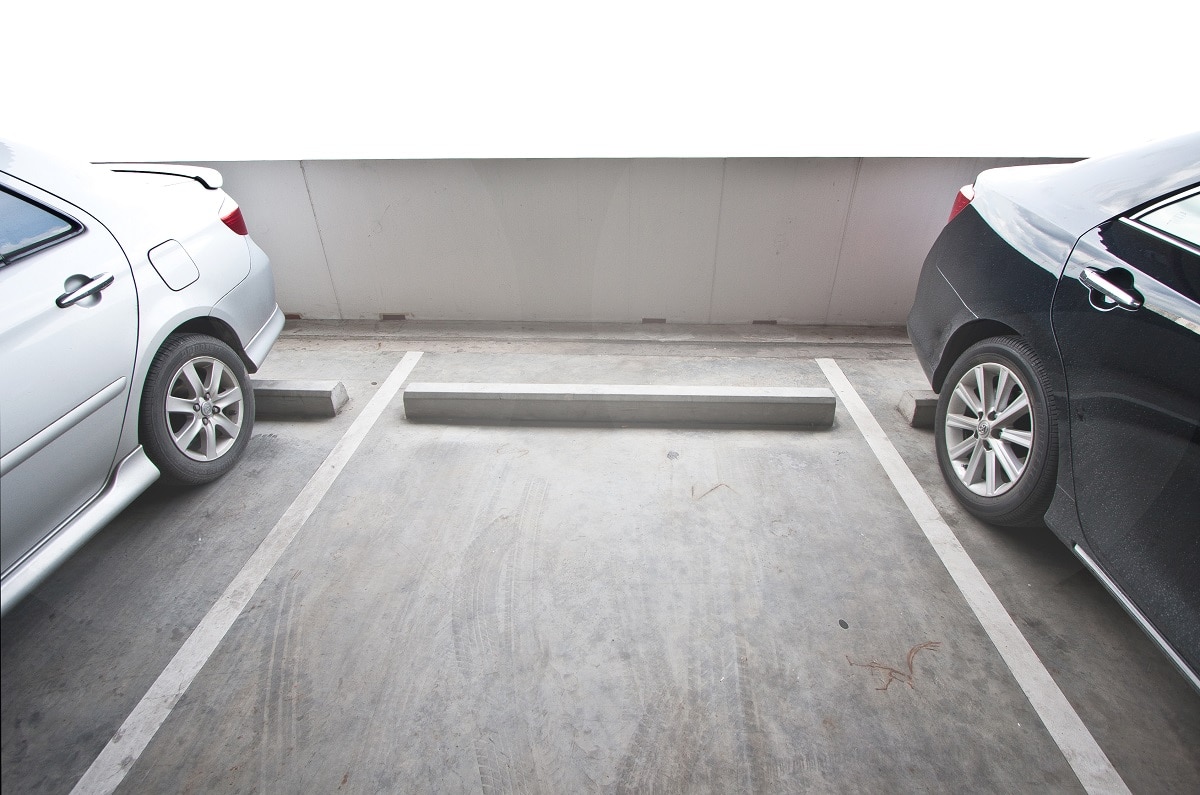
The freshly mixed concrete is highly flexible, making it easy to form and shape into whatever you want. Apart from using it as a surface, you can utilize it to form parking blocks and speed bumps. The latter enhances safety in your parking lot as it prevents motorists from speeding.
Durable
Once the concrete solution dries, it hardens into a durable material that strengthens more over time. It has a longer lifespan and lesser need for frequent rehabilitation or reconstruction. This durability is important if you have several delivery trucks coming and going from your establishment.
Eco-Friendly
Concrete is known for its energy efficiency. The material uses minimal energy, from creation to utilization and long-term maintenance. The finished surface’s rigidity helps reduce fuel consumption and its accompanying carbon emissions. The concrete’s lighter color also makes it easier for light to bounce off it, reducing the need for exterior lighting in your parking lot.
Economical
Concrete’s resilience, durability, and energy efficiency help reduce operating costs or potential maintenance and renovation expenses. Its non-combustible and moisture-resistant properties also reduce insurance costs, allowing you to save money during the paving process.
In addition to these advantages, concrete is popular for its different application methods. This versatility offers you better control over how your parking lot is paved.
Different Types of Concrete Pavements
The concrete used in paving is adaptable, allowing you to modify its composition to your preference. By understanding the different concrete surfaces, you can determine which option is best for your parking lot.
Jointed Unreinforced Concrete
This type of pavement is made up of concrete slab layers connected by tie bars and dowels. Its joint layout prevents cracks on the finished surface. Jointed unreinforced concrete pavements have the tensile strength and flexural capacity to support imposed loads. Although it’s typically used in airfield taxiways, businesses that experience frequent vehicular traffic use it as well.
Jointed Reinforced Concrete
This pavement uses steel reinforcements to improve each slab’s stiffness and support. The steel bars are embedded in the middle of the slabs, allowing for larger space between each one. Jointed reinforced concrete is often used in building highways for its tensile strength. Use this type of pavement if you expect large concentrations of trucks in your parking lot.
Continuously Reinforced Concrete
This pavement uses longitudinal reinforcements between concrete slabs. It uses transverse bars for support and to prevent cracks caused by shrinkage. Additionally, anchors are placed at the reinforced slabs’ ends to prevent ripples and bumps from forming. Because of its durability and tensile strength, this pavement is also used in airfield runways and highways. It isn’t advisable to use in parking lots unless the area is large.
Tips for High-Performance Concrete Pavements
Although concrete presents a lot of benefits, it is prone to the same problems as asphalt. Familiarize yourself with the typical challenges that may affect your parking lot’s concrete floor. It will help you avoid mistakes in the paving process.
Localized Void
Localized void forms when a pipe underground bursts and leaks. The water causes the surrounding soil to erode, creating a sinkhole that compromises the pavement. Check the pipes underneath your parking lot for any problems that may cause them to break.
Unstable Soil
A high water table often causes unstable soil conditions. Wet soil increases movement underneath the concrete surface. This problem can be fixed by installing drains in the soil. Another option is to lessen the soil and install the pavement on top.
Poor Fabrication
Your concrete pavement can fail even with a solid subsurface. This is because poor fabrication and design techniques may create structural problems. In other words, if amateurs built your parking lot, there’s a higher chance it will deteriorate faster.
Your parking lot is a valuable asset to your business. By choosing the best material for its pavement, you can improve its functionality and prolong its lifespan. With most people staying home during the COVID-19 pandemic, this is the perfect time to redo the parking lot in your commercial space. With minimal traffic, you won’t have to worry about disrupting your establishment’s operations.
K&E Flatwork: Your Partner in Parking Solutions
Each parking lot requires different pavements and reinforcements; otherwise, you risk creating a structure that can’t accommodate the traffic you get. K&E Flatwork helps you find the right paving solutions for your parking lot. We take a comprehensive approach to each project, allowing us to gather information for the construction process.
- We inspect your location, being mindful of the local weather conditions.
- We take into account the type and amount of traffic you expect for your space.
- We address any problems in the ground before starting to streamline the paving process.
For over a decade, we have worked with clients in different industries. This has given us valuable insight into the paving process. Learn more about our services Contact Us.
.jpg)
Ready to Get Your Project Moving?
Commercial concrete services built for performance, reliability, and long-term value. Speak directly with our team to get started.


designed and developed by Treasure Advertising 💚