
What Is Concrete Flatwork? A Complete Beginner's Guide
What Is Concrete Flatwork? A Complete Beginner's Guide
If you've been getting quotes for a driveway, patio, or sidewalk and keep seeing the term "concrete flatwork" come up, you're not imagining a new category of work. It's a real, specific term in the concrete industry, and understanding what it actually covers helps you know exactly what you're paying for and what to expect from the process.
Defining Concrete Flatwork
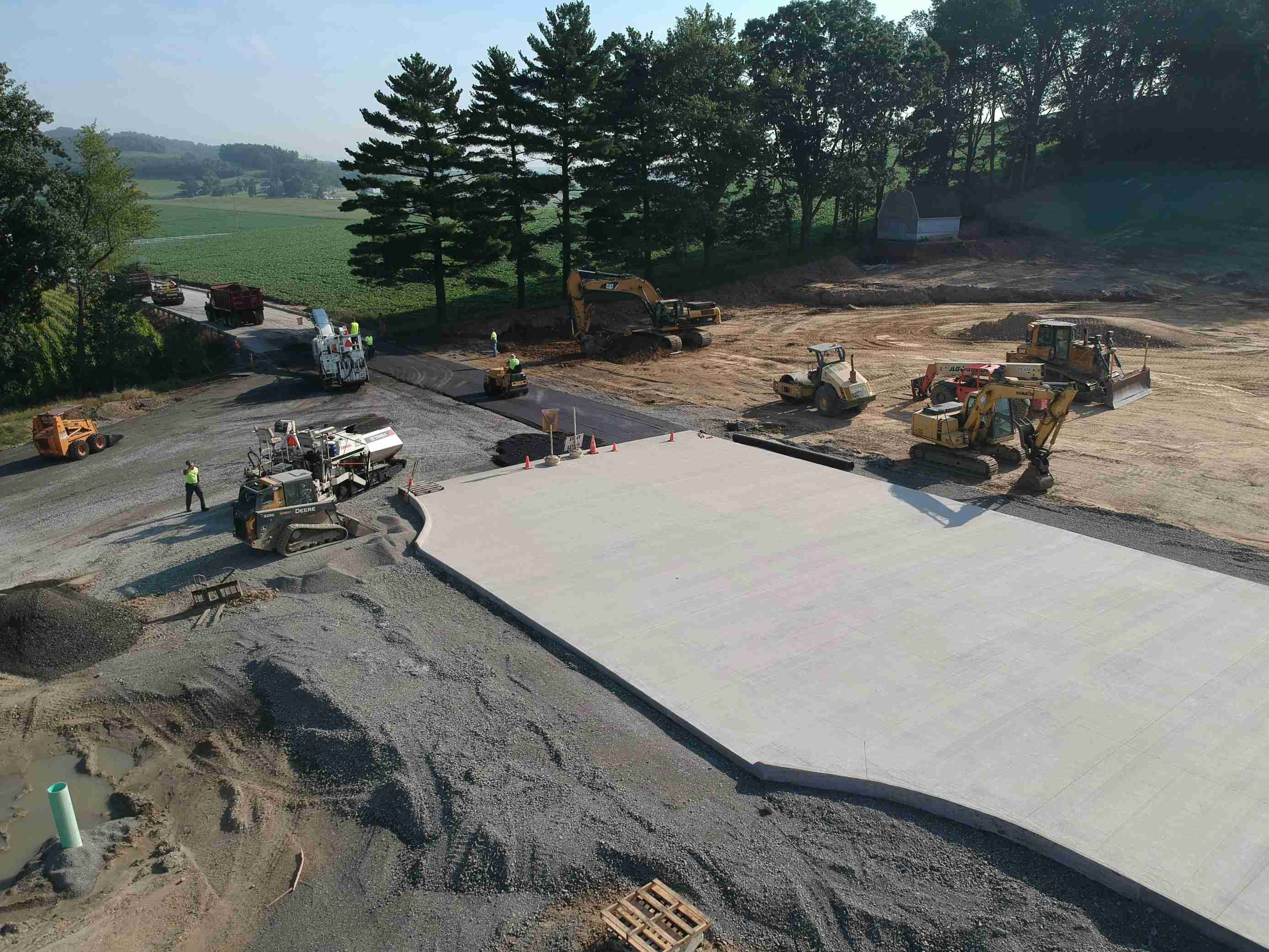
Concrete flatwork refers to any horizontal concrete surface poured and finished flat, as opposed to vertical or structural concrete work like foundation walls or columns. This includes driveways, sidewalks, patios, garage floors, parking lots, and curb and gutter systems. Essentially, if it's concrete you walk or drive on rather than concrete holding up a structure, it falls under flatwork.
Why the Term Matters When You're Getting Quotes
Contractors specialize differently across the concrete industry. Some focus heavily on flatwork, while others specialize in structural concrete, foundations, or decorative work. Knowing that your project falls under flatwork helps you ask the right questions and confirm you're hiring a contractor with genuine, relevant experience rather than someone whose expertise lies elsewhere in the concrete world.
Common Types of Concrete Flatwork
Flatwork covers a wide range of residential and commercial applications. Driveways, one of the most common flatwork projects for homeowners. Patios and walkways, often finished with decorative touches like stamping or coloring. Garage floors and slabs, which need different reinforcement and thickness considerations depending on intended use. Sidewalks, curb and gutter, and parking lots for commercial properties. And basement or foundation slabs, though these sometimes overlap with more structural considerations depending on the project.
What Goes Into a Quality Flatwork Project
Good flatwork isn't just about pouring concrete and smoothing it flat. It involves proper site preparation, including grading and compaction, before any concrete is poured. Correct thickness and reinforcement based on the surface's intended use, whether that's foot traffic or vehicle weight. Appropriate finishing technique, since a broom finish, stamped pattern, or exposed aggregate all require different skills and timing. And attention to slope and drainage, so water moves away from structures rather than pooling.
Why Site Prep Makes or Breaks Flatwork Quality
More than almost any other factor, the quality of site preparation determines how flatwork holds up over time. Skipping proper excavation, grading, or compaction is one of the more common causes and signs of shoddy concrete pouring, and it tends to show up as cracking or settling within the first year or two, regardless of how good the concrete itself was.
How Flatwork Differs From Structural Concrete Work
Structural concrete, foundation walls, columns, load-bearing elements, requires different engineering considerations than flatwork, since it's designed to bear significant structural loads rather than just surface traffic. A contractor skilled in flatwork isn't automatically qualified for structural work, and the reverse is also true, which is why it's worth confirming a contractor's specific experience matches your project type.
The Role of Formwork in Flatwork Projects
Before any flatwork gets poured, forms need to be built to hold the concrete in the right shape while it cures. Concrete formwork ranges from simple straight-edge forms for a basic driveway to more complex setups for curved patios or decorative shapes, and the complexity directly affects labor time and project cost.
Concrete vs. Asphalt for Flatwork Applications
For driveways and parking areas specifically, concrete flatwork is often compared against asphalt as an alternative. The differences between asphalt vs concrete become clear once you look past the upfront installation cost and consider durability and maintenance over a 15 to 20 year window.
Why Water Management Matters in Flatwork Design
Flatwork surfaces are exposed to the elements constantly, which makes drainage design a critical part of the process, not an afterthought. Concrete's relationship with water damage is especially relevant for flatwork, since poor slope or drainage planning accelerates cracking and deterioration far faster than normal wear ever would.
Frequently Asked Questions
Is concrete flatwork the same as a concrete slab?
A slab is a type of flatwork, but flatwork also includes things like sidewalks, curb and gutter, and driveways, which aren't always referred to as slabs specifically.
How long does concrete flatwork typically last?
Properly installed flatwork can last several decades, though lifespan depends heavily on site prep, reinforcement, and how well drainage was planned during installation.
Does concrete flatwork include decorative finishes?
Yes, stamped, colored, or exposed aggregate finishes all fall under flatwork, since the term refers to the type of surface, not a specific finish style.
Do I need a different contractor for flatwork versus a foundation?
Not always, but it's worth confirming a contractor has specific experience with your project type, since flatwork and structural concrete require different skill sets.
Get a Flatwork Quote From KE Flatwork
Whether you're planning a driveway, patio, or full commercial lot, KE Flatwork brings the site prep, forming, and finishing expertise that quality flatwork actually requires.
Contact KE Flatwork today to discuss your concrete flatwork project.
.jpg)
Ready to Get Your Project Moving?
Commercial concrete services built for performance, reliability, and long-term value. Speak directly with our team to get started.


designed and developed by Treasure Advertising 💚