
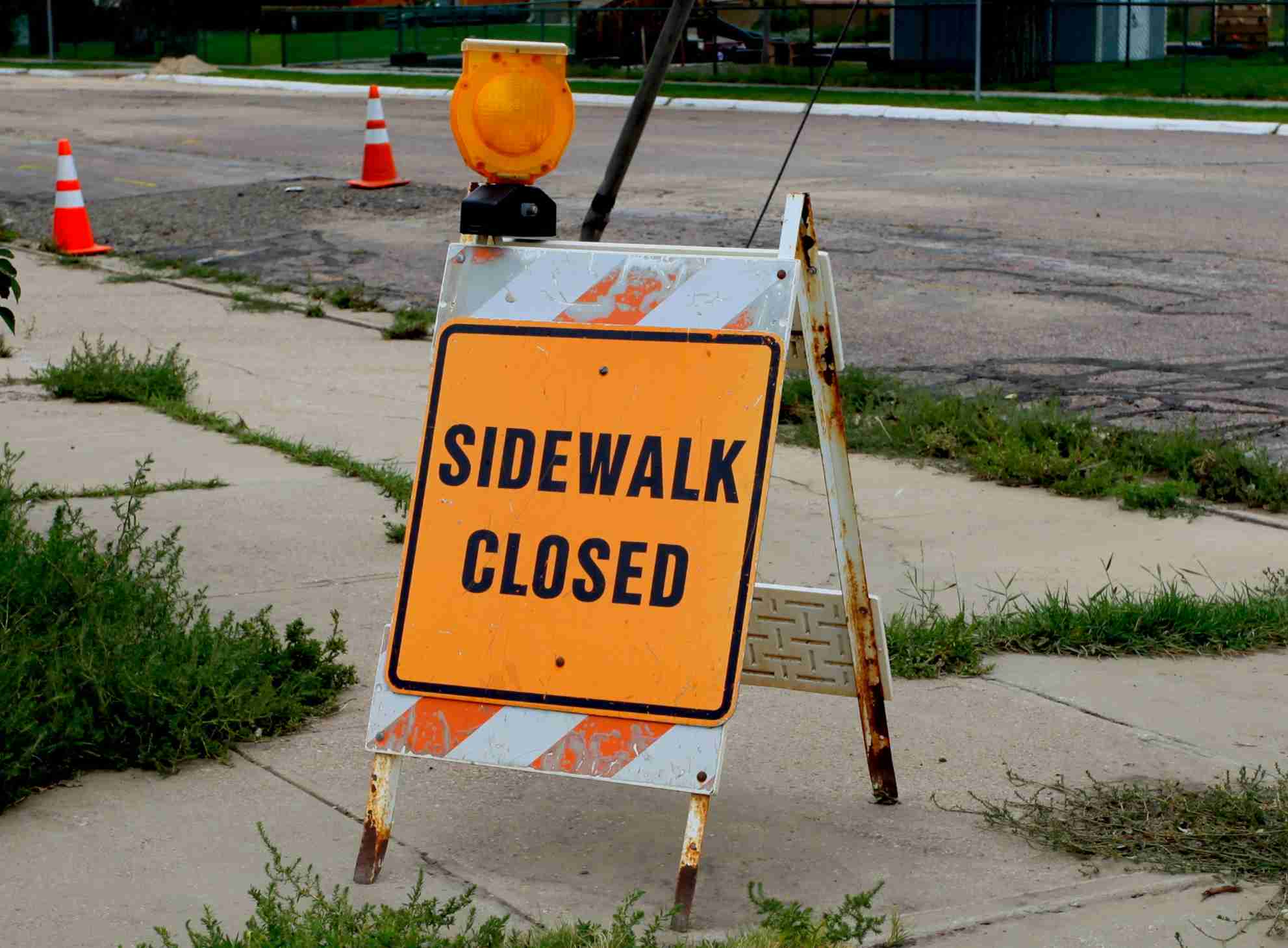
Sidewalk Replacement Contractors Near Me: When Repair Isn't Enough
Sidewalk Replacement Contractors Near Me: When Repair Isn't Enough
Not every damaged sidewalk section can be leveled or patched back into safe condition. At some point, especially with sidewalks tied to permit requirements and public right-of-way regulations, full replacement becomes the more practical and often required path. Knowing when that line gets crossed, and finding a contractor equipped for the permitting involved, keeps the project moving smoothly.
Signs a Sidewalk Section Needs Replacement, Not Repair
A few signals point toward full replacement rather than continued patching. Significant crumbling or spalling across a large section, rather than isolated cracking. Extensive tree root damage that's compromised multiple panels, not just one. Repeated leveling or patching attempts that keep failing in the same spot. And sections that have deteriorated to the point where a simple lift wouldn't restore a safe, even surface.
Why Sidewalk Replacement Often Involves Permits
Because sidewalks typically sit in the public right-of-way, replacement often requires a permit from the local municipality, even when the adjacent property owner is financially responsible for the work. This is a meaningful difference from replacing a driveway or patio, and it's worth confirming a contractor is familiar with your specific city's permitting process before work begins.
What to Ask a Sidewalk Replacement Contractor
A few direct questions help confirm a contractor is equipped for this specific type of project. Are you familiar with the permit process for sidewalk replacement in this municipality? How will you handle tree roots if they're contributing to the damage? What thickness and reinforcement do you recommend for public-facing sidewalk sections? Clear, specific answers are a good sign.
Why Tree Roots Complicate Replacement Decisions
If tree roots caused the original damage, replacing the sidewalk without addressing the roots often means the new section faces the same fate within a few years. A contractor experienced in this situation should be able to discuss options like root barriers or slightly rerouting the sidewalk path to avoid the recurring conflict.
When Leveling Should Be Ruled Out First
Before committing to full replacement, it's worth confirming that concrete leveling genuinely isn't a viable option. Leveling only works when the existing concrete itself is still structurally sound, just displaced, so a contractor should be able to explain clearly why your specific situation has moved past that point.
Why Original Installation Quality Sometimes Explains the Need for Replacement
If a sidewalk section has failed repeatedly despite reasonable maintenance, the original installation may be the underlying issue. Understanding the causes and signs of shoddy concrete pouring helps explain why some sections simply won't hold up long term, no matter how many times they're patched.
Why Drainage Should Be Corrected During Replacement
Replacement is the right time to fix any drainage issues that contributed to the original failure. Confirming proper drainage planning as part of the replacement project helps prevent the same erosion-driven settling from affecting the new sidewalk section. It's also worth confirming the same contractor has real experience with general sidewalk repair, since understanding both repair and replacement helps them recommend the right scope rather than defaulting to the bigger project.
Comparing Replacement Contractors Before You Commit
Given the permit requirements and public safety considerations involved, it's worth comparing a couple of local companies specifically experienced with sidewalks, rather than assuming any general concrete contractor is equally prepared for this type of project.
Frequently Asked Questions
Do I need a permit to replace a sidewalk section?
In most municipalities, yes, since sidewalks typically sit within the public right-of-way. A qualified local contractor should handle or guide you through this process.
Who's responsible for the cost of sidewalk replacement?
This varies by city, but many municipalities place financial responsibility on the adjacent property owner, even though the sidewalk itself is public infrastructure.
Can I replace just one damaged section instead of the whole sidewalk?
Often, yes, particularly if the damage is contained to specific panels and the rest of the sidewalk remains in good condition.
How do I stop tree roots from damaging a newly replaced sidewalk?
Root barriers installed during replacement, or slightly rerouting the sidewalk path away from major roots, can help prevent the same damage from recurring.
Get a Sidewalk Replacement Quote From KE Flatwork
KE Flatwork handles sidewalk replacement projects across the Kansas City area, including navigating permit requirements and addressing root-related damage properly.
Contact KE Flatwork today to discuss your sidewalk replacement project.
.jpg)
Ready to Get Your Project Moving?
Commercial concrete services built for performance, reliability, and long-term value. Speak directly with our team to get started.


designed and developed by Treasure Advertising 💚