
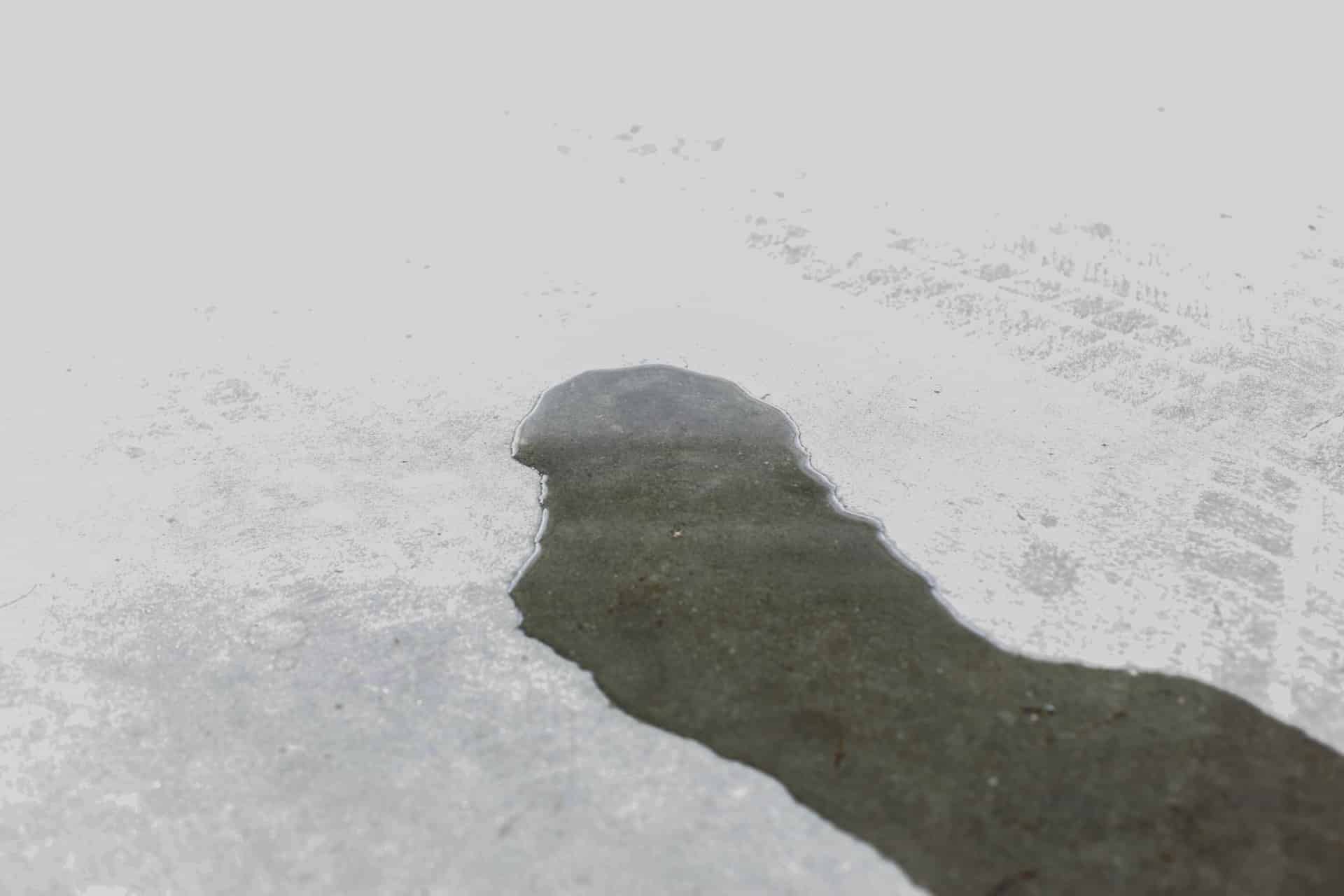
How to Address Water Ponding on Your Concrete Parking Lot
As a business owner or property manager, you may have experienced the difficulties associated with water ponding on concrete surfaces. Not only can it lead to costly repairs and maintenance over time, but it also creates an unsightly appearance that detracts from your curb appeal.
But don’t worry! There are steps you can take to keep water from collecting and ensure your parking lot remains dry. In this article, we will discuss how to address water ponding on your concrete parking lot so that it is structurally sound and aesthetically pleasing.
Quick Summary
Water ponding on concrete parking lots is more than just an eyesore—it poses real risks to the longevity of your pavement, the safety of your customers, and the overall impression of your property. Common causes include improper slope, poor drainage, clogged downspouts, and grading issues. In this guide, K&E Flatwork explores practical, actionable solutions to eliminate water pooling and protect your investment for the long term.
Assess the Source of the Water
Water ponding on your concrete can be a frustrating issue, especially if you cannot identify the source of the problem. However, by assessing the source of the water, you can quickly discover where the issue is coming from.
- Clogged Gutters and Downspouts – Water can spill over and saturate the surface below.
- Blocked Drains – Poor maintenance or aging infrastructure may cause backups.
- Surface Runoff – Water from higher terrain may be draining into the parking lot.
By proactively maintaining these systems, you can prevent the water from ponding and potentially causing damage to your concrete. It is a simple task that can save you time, money, and stress, so take a few moments to assess the source of the water.
Investigate the Causes of Water Ponding on Your Parking Lot
Have you noticed water accumulating in certain areas of your concrete parking lot? If so, it’s important to investigate the root cause. Here are some common issues we see:
- Improper Grading or Soil Settling – Shifting soil can alter water flow paths.
- Faulty Landscaping – Raised beds or improperly placed mulch can block drainage.
- Over-irrigation or Broken Sprinklers – Your irrigation system may be contributing excess water.
Finally, irrigation systems can also play a role in contributing to water ponding on your concrete. By taking a closer look at these potential causes, you can identify the issue and implement a solution to prevent water damage and potential hazards.
Consider Potential Solutions to the Water Ponding on Your Parking Lot
You step outside after a rainfall, only to find your concrete surface has turned into a small pond. Not only is this an annoyance, but it can also lead to long-term damage and safety hazards. Thankfully, there are several potential solutions to consider.
Option A: Reslope the Surrounding Area
- Grade surrounding soil to create a natural runoff path.
- Maintain a minimum slope of 2% away from the concrete.
Option B: Install Drainage Systems
- French Drains: Channel water through underground piping.
- Trench Drains: Surface-level grates collect water and route it away.
- Catch Basins: Useful in large lots with known collection points.
Option C: Apply a Sloped Concrete Overlay
- Add a new top layer of concrete with proper slope.
- Best for localized depressions where full replacement isn’t required.
The Advantages and Disadvantages of Each Solution
Water ponding on your concrete can be frustrating and cause damage over time. When looking for a solution, it’s important to consider the advantages and disadvantages of each option. Some solutions may be quicker to install but more expensive, while others may be cheaper but require more labor.
It’s important to weigh factors such as time, cost, and ease of installation before making a decision. Ultimately, finding the right solution for your specific situation will ensure that your parking lot is protected from future water damage and will save you time and money in the long run.
SolutionProsConsResloping SoilCost-effective, simpleMay not work if lot itself is unevenFrench DrainsEffective for subsurface waterMore labor-intensive and costlyConcrete OverlayFast and localized fixMay not resolve underlying structural issuesTrench DrainsIdeal for heavy runoffRequires precise placement and ongoing maintenance
How to Redirect Water on Concrete
Install Physical Redirects to Control Flow
In cases where altering slope or subsurface drainage isn’t an option, surface-level modifications can help direct water flow.
Options Include:
- Concrete Flow Channels: Shallow grooved paths added to concrete to move water away from the surface.
- Surface Grading Adjustments: Use grinders to lower high points that cause pooling.
- Rubber or Steel Water Diverters: Used temporarily or in targeted locations to reroute runoff.
Redirect Runoff with Landscaping
- Install gravel strips along the perimeter to catch overflow.
- Use native plants with high absorption near downspout zones.
Check Drainage Capacity Regularly
- Ensure that your stormwater systems can handle peak volumes.
- Avoid runoff backflow by installing one-way valves in drainage systems.
Select the Best Solution to Address the Water Ponding on Your Parking Lot
When it comes to water ponding on your parking lot, finding the right solution is crucial. Not only can it impact the aesthetic appeal of your property, but it can also create dangerous conditions for drivers and pedestrians. There are various options to address the issue, ranging from simple fixes like redirecting the flow of water to more complicated solutions like installing a drainage system.
While some may attempt to tackle the problem themselves, hiring a professional contractor may be the best course of action to ensure a long-lasting solution. Don’t wait until the next rainfall to deal with water ponding. Take action now to safeguard your property and the safety of those who use it.
Follow Up with Maintenance to Prevent Further Water Ponding on Your Parking Lot
Water ponding on your concrete surface can be frustrating and damaging. Not only does it create a safety hazard, but it can also cause cracks and deterioration of your concrete over time. To prevent any further ponding, it’s important to follow up with maintenance and regularly inspect your concrete parking lot.
This prevents any future water buildup, ensuring your surface remains safe and structurally sound. By taking proactive measures to address the issue, you’ll be able to protect your investment and enjoy a smooth, even concrete surface for years to come.
In conclusion, water ponding on a parking lot is no small problem. There can be serious consequences if it is not taken care of in a timely manner. The good news is that you can easily avoid the damage caused by water ponding with proper maintenance and repair.
If you are in the Kansas City area, don’t hesitate to call K&E Flatwork for your concrete needs! Our experienced team of commercial concrete contractors offers quality services for any project—big or small—so you know that your parking lot maintenance will be done correctly. Don’t delay. Contact K&E Flatwork today for all your concrete repair and installation needs!
.jpg)
Ready to Get Your Project Moving?
Commercial concrete services built for performance, reliability, and long-term value. Speak directly with our team to get started.


designed and developed by Treasure Advertising 💚