Concrete Slab Cost: What Different Types of Slabs Actually Run
Concrete Slab Cost: What Different Types of Slabs Actually Run
Concrete slab cost isn't a single number, since a garage slab, a shed foundation, and a basement slab all come with different thickness, reinforcement, and finish requirements that change the price considerably. Understanding how cost varies by slab type helps you get a realistic number before requesting quotes, rather than anchoring on a generic per-square-foot figure that doesn't match your actual project.
Why Slab Cost Varies So Much by Purpose
A slab meant to support a shed or storage building has very different requirements than one meant to hold a vehicle or serve as a home's foundation. Thickness, reinforcement, and the amount of site prep required all shift based on what the slab actually needs to support, and that's the biggest driver of cost differences between slab types.
Foundation Slabs vs. Utility Slabs
A foundation slab supporting a home or addition requires significantly more engineering, reinforcement, and inspection than a utility slab for a shed or storage pad. Foundation slabs also typically require permits and inspections that add cost and time beyond the concrete work itself, while simple utility slabs are often more straightforward and less expensive per square foot.
Garage and Vehicle Slabs
Slabs designed to support vehicle weight need additional thickness and reinforcement compared to a basic utility pad. If you're specifically planning a vehicle-rated slab, it's worth understanding what a garage concrete slab actually requires, since the specs differ meaningfully from a shed foundation even though both might look similar in size.
Why Site Prep Changes the Number More Than People Expect
Poor site prep is one of the more common causes and signs of shoddy concrete pouring, and it's also one of the biggest hidden cost factors in any slab project. Soft or uneven soil often requires additional excavation, base material, and compaction work that a flat per-square-foot estimate won't account for.
Formwork and Shape Complexity
A simple rectangular slab keeps formwork straightforward and relatively affordable. Irregular shapes, stepped foundations, or slabs that need to accommodate existing structures add labor time and therefore cost, regardless of the slab's actual purpose.
Reinforcement Adds Cost but Extends Lifespan
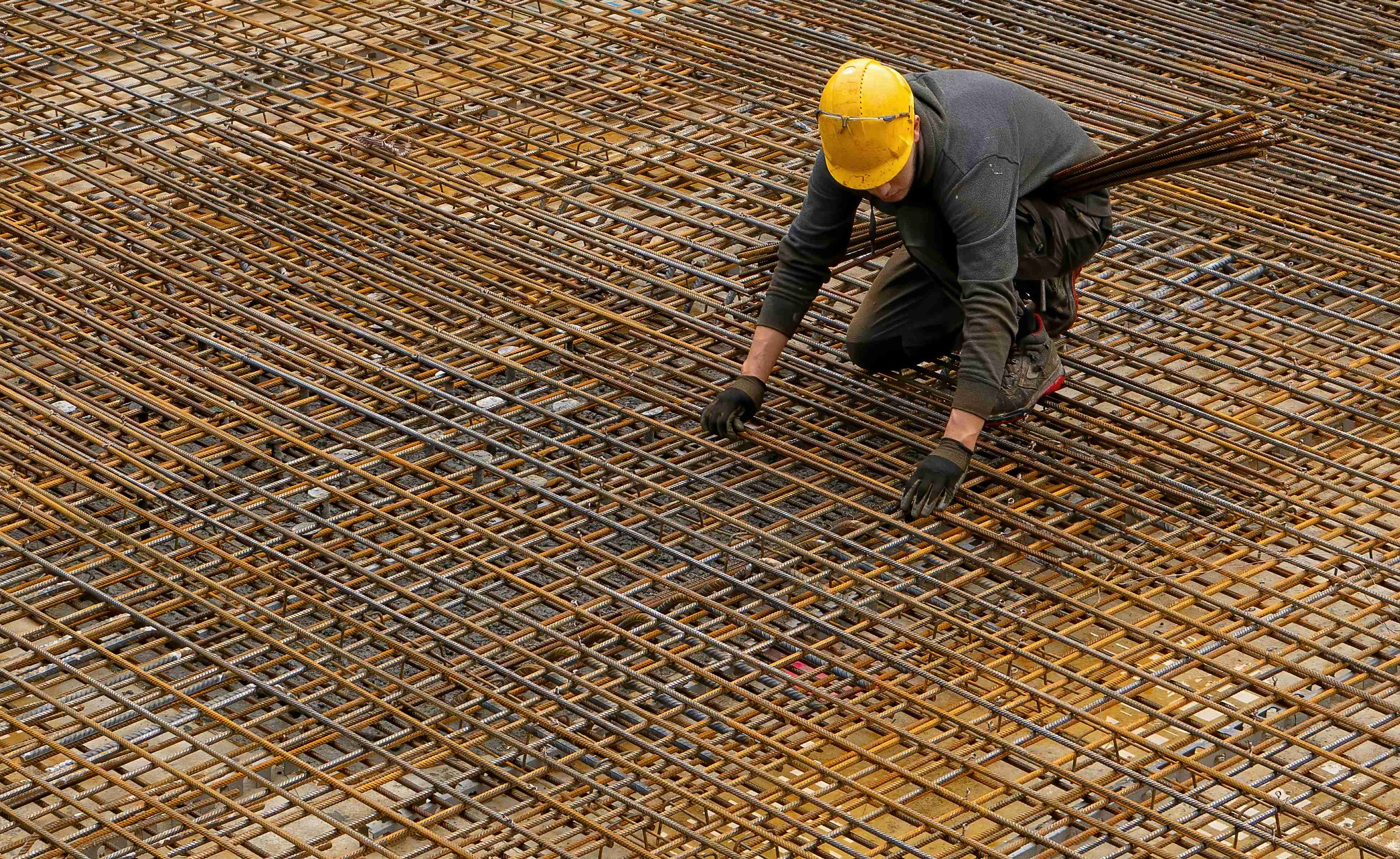
Rebar or wire mesh reinforcement increases the upfront cost of a slab but significantly improves its long-term durability, particularly for slabs bearing consistent weight like vehicle or equipment pads. Skipping reinforcement to save money upfront is one of the more common shortcuts that leads to expensive repairs later.
Why Drainage Planning Belongs in the Cost Conversation
A slab that doesn't account for water runoff often needs repairs within a few years, regardless of how well the concrete itself was poured. Proper drainage planning at the design stage costs relatively little to plan for but prevents a lot of the pooling and cracking that shows up later when it's ignored.
How Long a Properly Poured Slab Should Last
A slab poured with the right specifications for its intended use should hold up for decades. The same durability that lets commercial concrete withstand heavy daily use applies to residential slabs as well, just under lighter, more predictable conditions.
Frequently Asked Questions
Why does a foundation slab cost more than a shed slab of the same size?
Foundation slabs require more engineering, reinforcement, and typically permits and inspections, all of which add cost beyond the concrete itself.
Is it cheaper to pour a slab myself?
For small, low-stakes utility slabs, some homeowners do it themselves, but mistakes in site prep or mixing often cost more to fix than hiring a professional would have.
Does slab thickness always affect cost significantly?
Yes, since additional thickness means more material volume across the entire footprint, which adds up meaningfully on larger slabs.
How can I get an accurate cost estimate for my specific slab?
The most reliable way is an in-person quote that accounts for your soil conditions, intended use, and site access, rather than relying on a generic online estimate.
Get an Accurate Slab Quote From KE Flatwork
Whatever you're pouring a slab for, the right specs make all the difference in how long it lasts. KE Flatwork can put together a detailed quote based on your project's actual requirements.
Contact KE Flatwork today to get a quote on your concrete slab project.
.jpg)
Ready to Get Your Project Moving?
Commercial concrete services built for performance, reliability, and long-term value. Speak directly with our team to get started.


designed and developed by Treasure Advertising 💚