
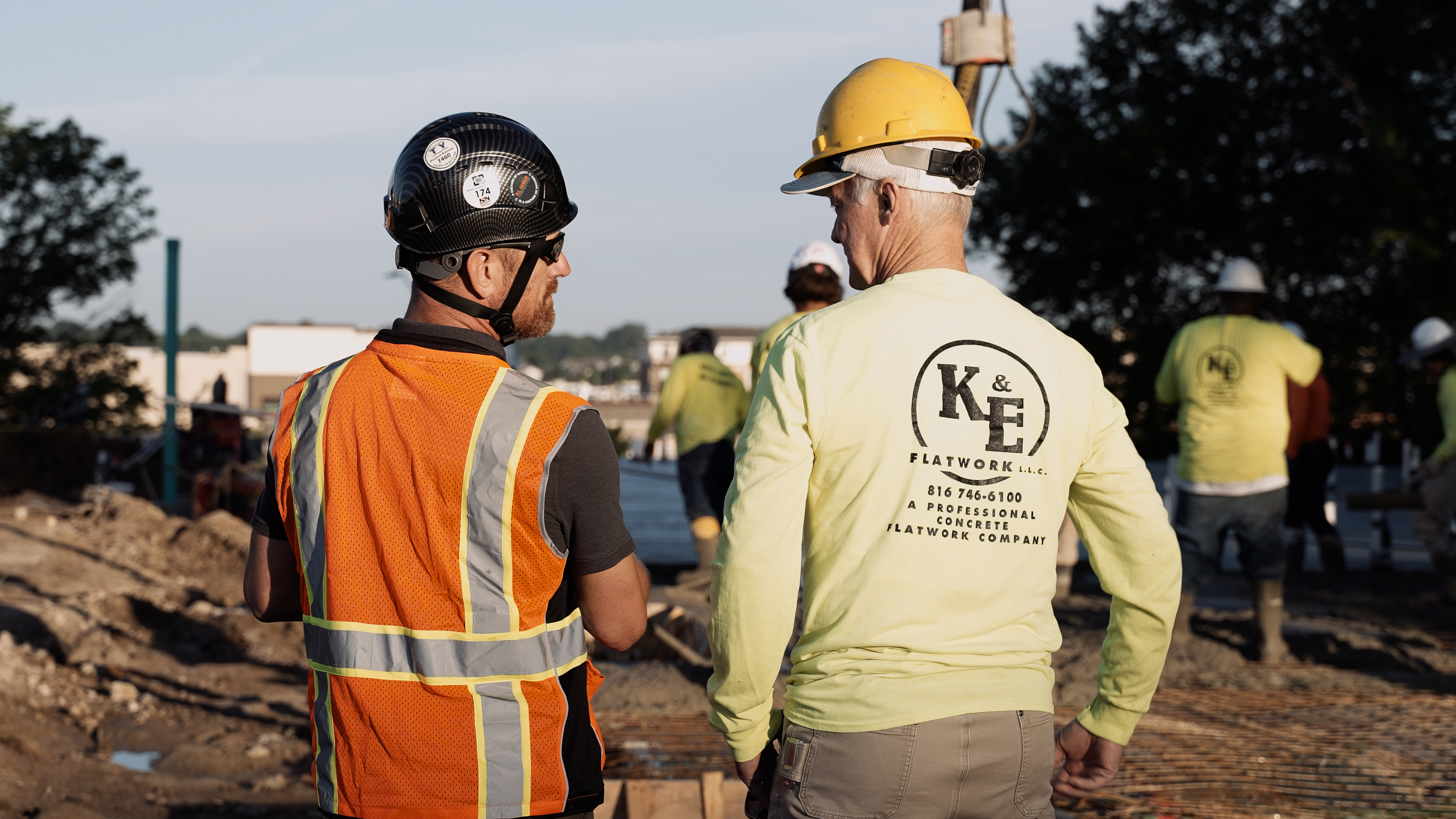
Concrete Flatwork Isn’t Just Concrete - Here’s What Most People Get Wrong
When people think about concrete flatwork, they usually imagine a crew showing up, pouring concrete, smoothing it out, and leaving. Simple, right?
Not exactly.
The truth is, most of the problems you see in driveways, patios, and sidewalks don’t come from the concrete itself—they come from everything that happens before and after the pour.
At KE Flat Works, we’ve seen it all: cracking within months, sinking slabs, water pooling where it shouldn’t. And almost every time, it comes down to shortcuts that were taken during the process.
It Starts Below the Surface
Here’s something most homeowners don’t realize: concrete is only as strong as the ground beneath it.
If the soil isn’t properly compacted or graded, the concrete will eventually shift. It might not happen right away, but give it a season or two—especially with changing weather—and you’ll start to notice cracks or uneven areas.
That’s why proper base preparation is one of the most important parts of any concrete flatwork project. It’s not the flashy part of the job, but it’s the part that determines whether your concrete lasts 5 years or 25.
Not All Concrete Mixes Are the Same
Another common misconception is that concrete is just “one thing.” In reality, there are different mixes designed for different purposes.
A driveway needs to handle the weight of vehicles every day. A patio is more about appearance and comfort. Commercial concrete flatwork has even higher demands, especially in high-traffic areas.
Using the wrong mix might save money upfront—but it almost always leads to repairs later.
Timing Is Everything During the Pour
Concrete work is incredibly time-sensitive. Once it’s poured, the clock starts ticking.
Finish too early, and you risk weakening the surface. Finish too late, and you can end up with rough textures or cracks forming before the job is even complete.
This is where experience really shows. A skilled crew knows exactly when to step in, when to wait, and how to handle changing conditions like heat, wind, or humidity.
The Step Everyone Rushes: Curing
If there’s one step that gets ignored the most, it’s curing.
Curing isn’t just about letting concrete dry—it’s about controlling how it gains strength. Done right, it makes the surface more durable and resistant to cracking. Done wrong, and you may start seeing issues much sooner than expected.
Why This All Matters
Concrete flatwork is something you don’t want to redo every few years. It’s an investment in your property’s function and appearance.
At KE Flat Works, the goal isn’t just to get the job done—it’s to get it done in a way that holds up over time. That means doing the extra work most people don’t see, so you don’t have to deal with problems later.
.jpg)
Ready to Get Your Project Moving?
Commercial concrete services built for performance, reliability, and long-term value. Speak directly with our team to get started.


designed and developed by Treasure Advertising 💚