
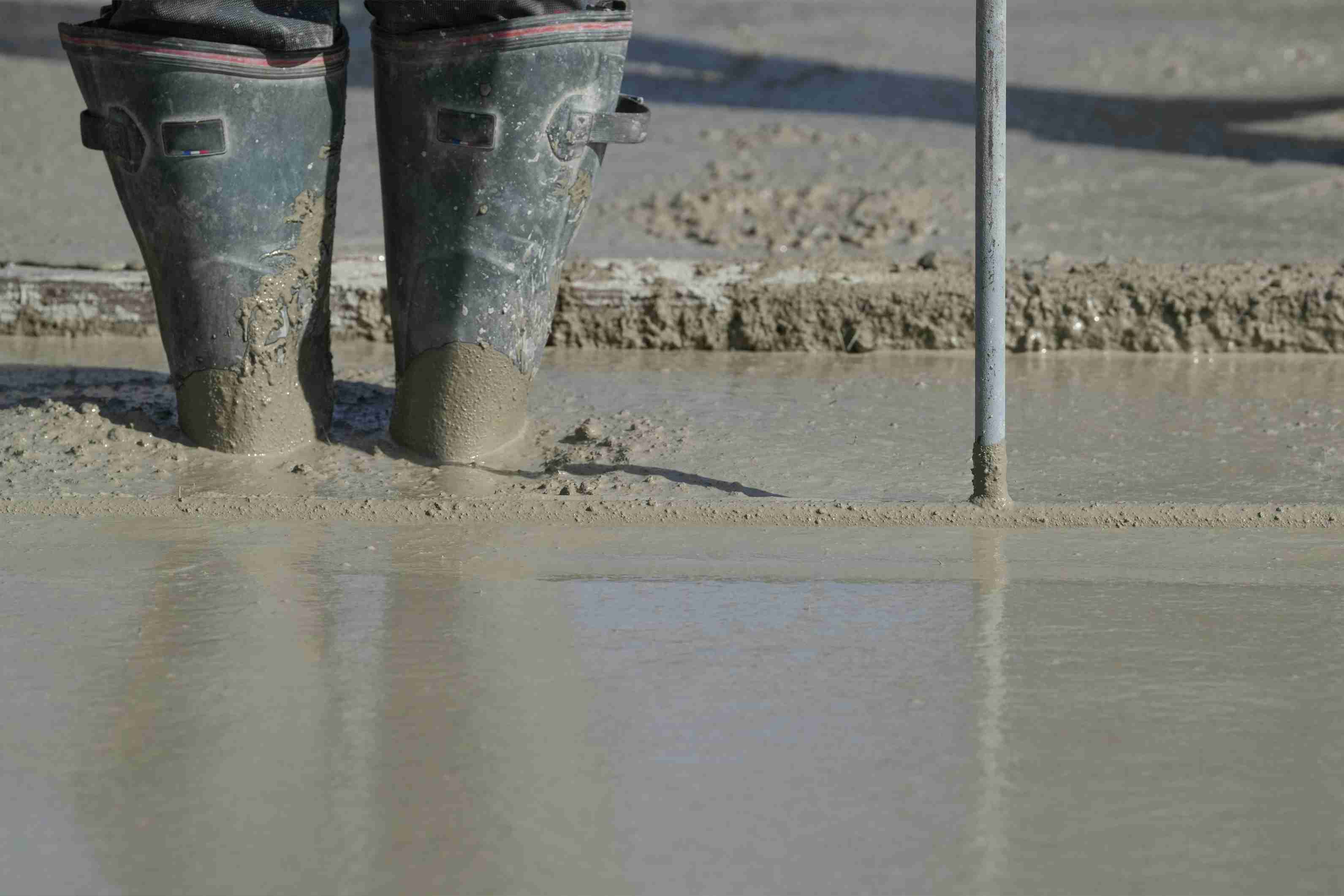
Concrete Contractors: How to Choose the Right One for Any Project
Concrete Contractors: How to Choose the Right One for Any Project
Whether you're pouring a driveway, repairing a cracked patio, or planning a full commercial parking lot, the contractor you choose matters more than almost any other decision in the project. Concrete work that's rushed or poorly planned doesn't usually show its problems on day one, it shows up months or years later as cracking, settling, or drainage failures. Knowing what to look for before you hire helps you avoid that outcome entirely.
Why Concrete Contractors Aren't All Interchangeable
Concrete work covers a wide range of project types, driveways, patios, foundations, commercial lots, decorative flatwork, and not every contractor has equal experience across all of them. A contractor skilled at residential driveways isn't automatically the right choice for a commercial parking lot, and someone experienced in structural concrete may not have the finishing skill needed for a decorative patio.
What a Quality Contractor Should Do Before Pouring Anything
A reliable concrete contractor spends real time on preparation before concrete ever gets poured. This includes a proper site evaluation covering soil conditions and grading, base preparation matched to your project's specific use, correct formwork for your project's shape and slope requirements, and drainage planning built into the design from the start rather than added as an afterthought.
Red Flags Worth Watching For
A few warning signs tend to show up before the contract is even signed. A contractor who rushes through the site visit without checking soil or drainage conditions. Vague quotes that don't separate site prep, materials, and finishing into distinct line items. No mention of reinforcement or appropriate thickness for your specific project. And reluctance to explain their process when you ask direct questions.
These shortcuts are exactly how shoddy concrete pouring happens, and it's often not obvious until cracking or settling shows up well after the project is finished.
Why Formwork Experience Matters for Your Specific Project
Not every contractor has equal experience with complex layouts. Concrete formwork for curved edges, decorative shapes, or multi-level surfaces requires more skill and time than a basic rectangular pour, and a contractor without that specific experience may quote low but deliver an uneven or poorly finished result.
Asking About Material Knowledge, Not Just Installation
A knowledgeable contractor should be able to explain material decisions clearly, not just quote a price. If you're weighing concrete against alternatives for a specific application, a good contractor should be able to walk you through the actual differences between asphalt and concrete for your particular use case, rather than pushing whichever material is easiest for them to install.
Why Drainage Knowledge Separates Good Contractors From Mediocre Ones
A contractor who asks detailed questions about water flow and grading before starting work is thinking beyond just the pour itself. Proper drainage planning prevents the pooling and premature cracking that shows up when a contractor treats drainage as an afterthought rather than part of the original design.
How a Good Contractor Handles Problems After the Pour
The best concrete contractors don't disappear once the initial job is done. A contractor who takes crack repair and follow-up service seriously, and stands behind their original work, is a much safer choice than one who only wants to quote new installations and treats any post-project issues as someone else's problem.
Questions Worth Asking Before You Hire
A few direct questions tell you a lot about whether a contractor is worth hiring. Will you walk me through your site prep process before quoting a final price? What thickness and reinforcement do you recommend for my specific project? How do you handle drainage planning during the design phase? And what happens if cracking or settling shows up after the project is complete?
How Long Quality Work Should Actually Last
Work done by a qualified contractor should hold up for decades, not just a few years. Commercial concrete's lifespan routinely runs several decades when installed correctly, and that same standard should apply whether you're hiring for a driveway, patio, or full commercial project.
Frequently Asked Questions
How do I know if a concrete contractor is reputable?
Look for detailed quotes, clear communication about site prep and drainage, and a willingness to explain their process rather than rushing through the estimate.
Should I choose a contractor based on the lowest bid?
Not necessarily. A significantly lower quote often reflects skipped site prep or lower-quality materials, which tends to cost more in repairs over time.
Do I need a different contractor for residential versus commercial concrete work?
Not always, but it's worth confirming they have specific experience with your project type and scale, since the requirements can differ significantly.
What's the biggest mistake people make when choosing a concrete contractor?
Focusing only on price without asking about site prep, drainage planning, or what happens if issues arise after the project is finished.
Get a Quote From an Experienced Concrete Contractor
Choosing the right contractor makes all the difference in how long your concrete project actually lasts. KE Flatwork brings the site prep, formwork, and finishing expertise needed to get any concrete project done right the first time.
Contact KE Flatwork today to get a quote from a contractor who does it right.
.jpg)
Ready to Get Your Project Moving?
Commercial concrete services built for performance, reliability, and long-term value. Speak directly with our team to get started.


designed and developed by Treasure Advertising 💚