
Commercial Flatwork vs. Traditional Paving: What Kansas City Builders Should Know in 2025
When it comes to designing long-lasting surfaces for commercial properties, Kansas City developers are increasingly choosing concrete flatwork over traditional paving options. With KC’s rapid industrial expansion, harsh freeze–thaw cycles, and heavier-than-ever traffic loads, builders need paving solutions that maximize durability, reduce maintenance costs, and align with modern construction standards.
This guide explains the key differences between concrete flatwork and traditional paving so developers, general contractors, and property managers can make the right decision for their next project.
Understanding the Difference: Flatwork vs. Traditional Paving
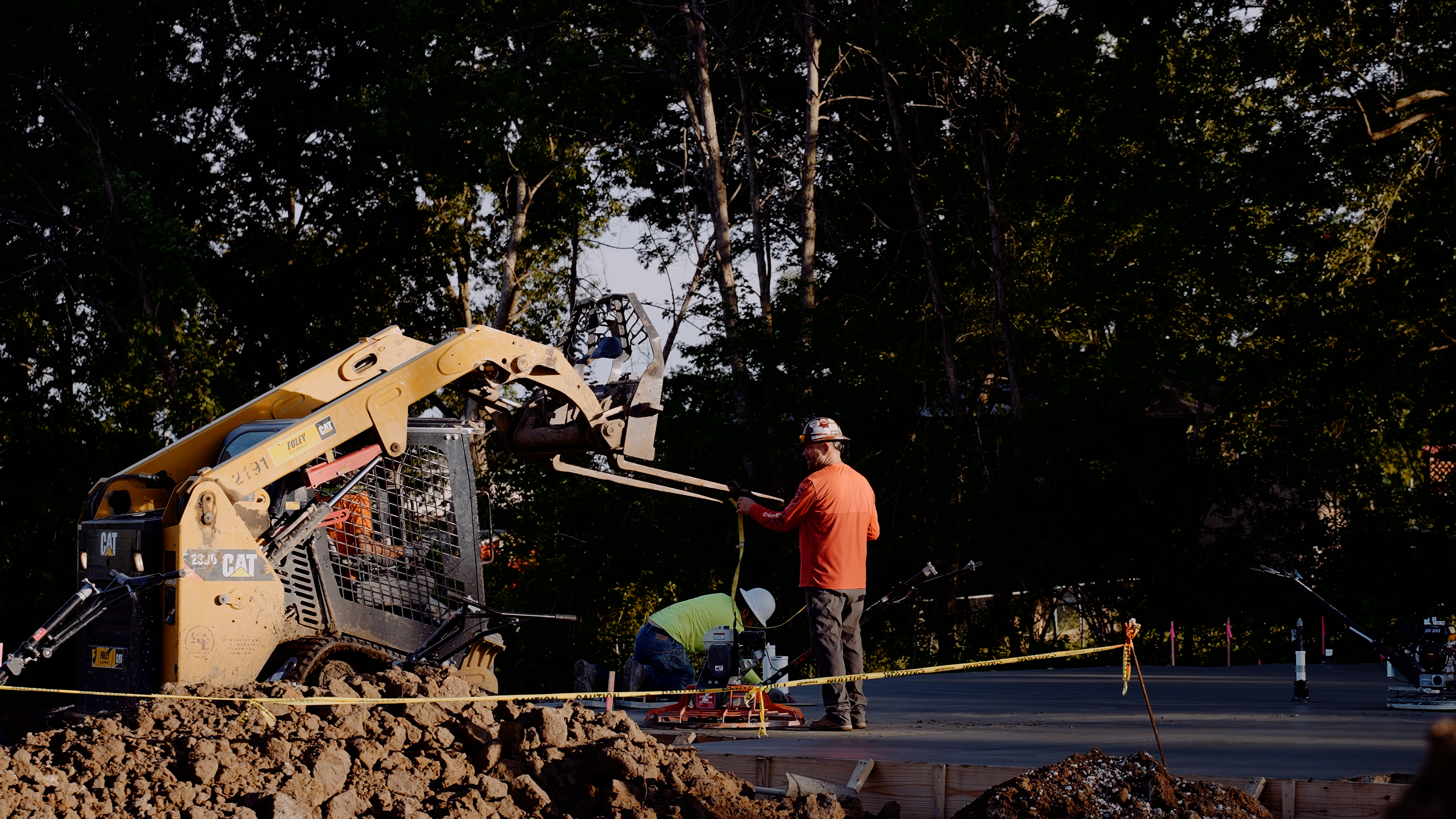
Concrete flatwork refers to horizontal concrete surfaces such as parking lots, walkways, curbs, loading docks, warehouse floors, and approaches. It is poured, leveled, reinforced, and finished to meet exact structural requirements.
Traditional paving (asphalt) is petroleum-based, cheaper upfront, and generally faster to lay—but it deteriorates faster under heavy use, moisture exposure, and extreme temperatures.
The U.S. Department of Transportation outlines major lifespan differences between paving materials, noting that concrete withstands heavier loads and lasts significantly longer with proper maintenance:
https://www.fhwa.dot.gov/pavement/concrete/
Why Concrete Flatwork Performs Better in Kansas City
1. Superior Durability in Freeze–Thaw Conditions
Kansas City experiences constant freeze–thaw cycles that weaken asphalt, causing cracks, potholes, and rutting. Concrete, when poured and cured correctly, resists thermal expansion and provides long-term structural integrity.
2. Longer Life Cycle and Better ROI
While asphalt may cost less upfront, concrete flatwork typically lasts 30–40 years, making it the more cost-effective long-term investment for commercial properties, retail centers, and industrial parks.
3. Higher Load-Bearing Capacity
KC’s booming logistics and warehousing sectors require surfaces that can handle semi-truck traffic, forklifts, and continuous heavy loads. Concrete flatwork provides the PSI strength necessary to withstand industrial demands.
Learn more about load-bearing pavement performance from the National Ready Mixed Concrete Association:
https://www.nrmca.org/technical-information/
4. Lower Maintenance Requirements
Asphalt requires frequent sealcoating, patching, and resurfacing. Concrete flatwork may require joint sealing or minor corrective work, but generally demands much less maintenance.
Where Concrete Flatwork Makes the Biggest Impact
Commercial developers and GC teams in Kansas City rely on concrete flatwork for:
- Parking lots
- Sidewalks and pathways
- Truck courts
- Warehouse slabs
- Dumpster pads
- Drive lanes
- Commercial aprons and entrances
- Multifamily development infrastructure
For high-traffic or heavy-load environments, concrete simply outperforms traditional paving.
How KE Flatwork Helps KC Builders Make the Right Choice
With decades of experience supporting Kansas City’s most active developers and builders, KE Flatwork provides:
- Accurate subgrade prep to prevent premature failure
- High-strength concrete mixes matched to project needs
- Large-scale pouring capability
- Quality-controlled finishing
- Reliable scheduling for fast-moving project timelines
Whether you’re planning a retail development, industrial facility, or large-scale multifamily project, choosing the right paving solution is critical to long-term performance.
.jpg)
Ready to Get Your Project Moving?
Commercial concrete services built for performance, reliability, and long-term value. Speak directly with our team to get started.


designed and developed by Treasure Advertising 💚